THE FISHERMAN GO-TO-MARKET STRATEGY
Fisherman GTM Strategy (Inbound Model)
The Fisherman GTM strategy focuses on building inbound demand so customers naturally discover your solution through content, SEO, and online research. In today’s B2B market, buyers evaluate options long before sales outreach, making visibility during their research journey critical for winning deals.

What Is the Fisherman’s Go-To-Market Strategy?
The Fisherman’s GTM framework represents a fundamental shift in philosophy in how companies approach market entry and revenue generation. At its core, this inbound go-to-market strategy is based on a simple yet powerful premise. Instead of spending resources hunting for customers who may not be ready to buy, you build systems that attract customers actively searching for solutions.

Why the Inbound GTM Model Works in Today’s Market
The effectiveness of the inbound go-to-market strategy stems from alignment with how modern B2B buyers actually make decisions. Research shows that 67% of the buyer journey now happens digitally before a prospect ever speaks with sales. Your ideal customer is reading comparison articles at 11 PM, watching product demos during their commute, and asking peers in Slack communities which solution they recommend.

Strategic Content & Demand Creation
The Fisherman GTM strategy starts with creating high-value content that educates, builds awareness, and establishes authority across the buyer journey. This content attracts potential customers early by addressing real industry problems and positioning the business as a trusted solution provider.
SEO & High-Intent Traffic Strategy
Search engine optimization drives inbound growth by targeting high-intent keywords used by buyers actively comparing solutions. This ensures the traffic is not just large in volume but highly qualified, increasing the likelihood of conversion into sales opportunities.
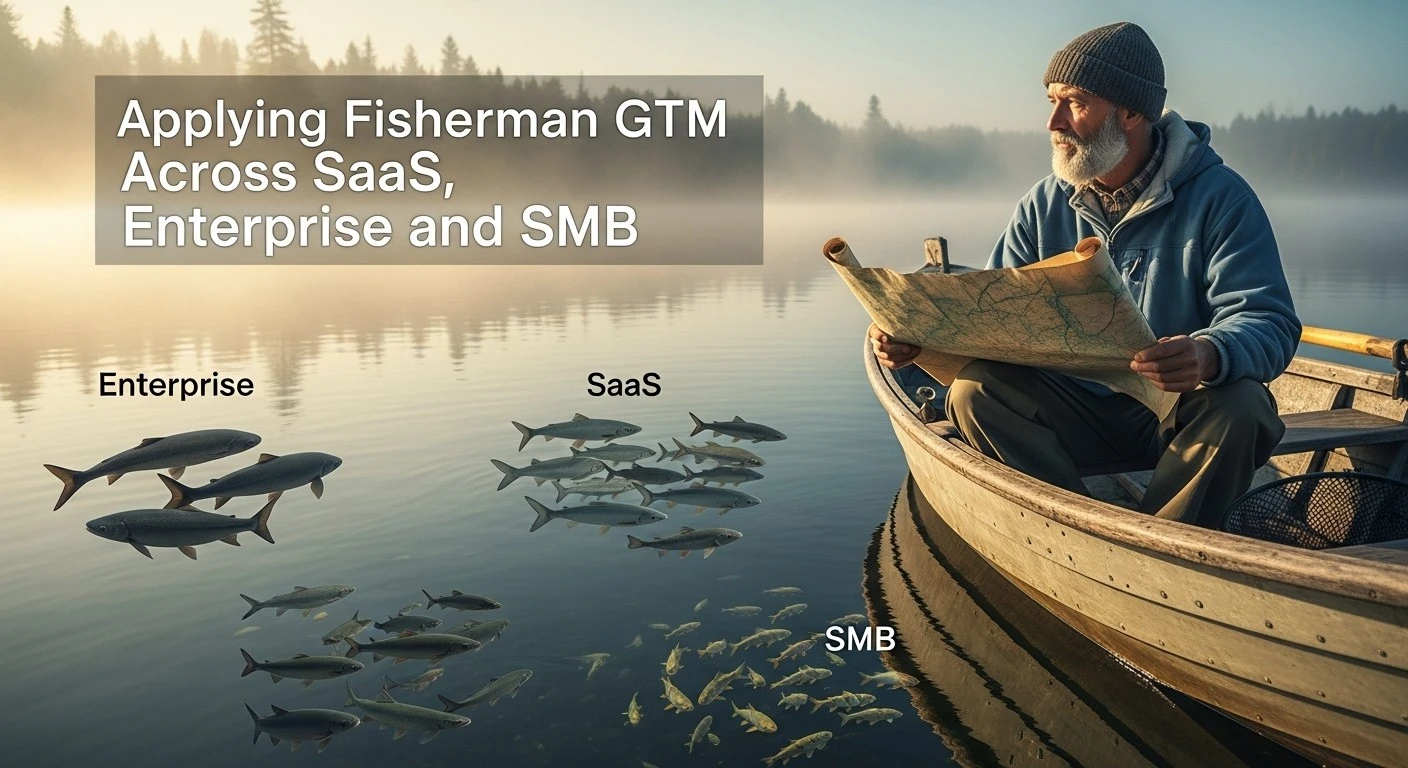
SaaS Inbound (Product-Led Growth)
In SaaS businesses, Fisherman GTM works by combining content-driven acquisition with product-led growth, where users move from educational content to free trials or self-serve experiences. This creates a smooth journey from awareness to activation with minimal sales friction.
Enterprise Inbound Strategy
Enterprise inbound GTM focuses on supporting long sales cycles and multi-stakeholder decision-making through a strong content ecosystem. Instead of single touchpoints, it builds trust and accelerates deal velocity across the entire evaluation process.

Building Your Inbound Sales Strategy: The Sales Team’s Role
One misconception about inbound go-to-market strategy is that it reduces or eliminates the need for sales teams. The opposite is actually true. Inbound strategies require sophisticated sales organizations that excel at skills different from those of traditional outbound-focused teams.

Organic Traffic & Intent-Based Growth
Inbound GTM success is measured by organic traffic growth, but more importantly by the intent behind that traffic. Visitors engaging with high-intent pages like pricing or comparison content are far more likely to convert into qualified leads and revenue opportunities than general blog readers.

Ignoring Search Intent in Content Strategy
One of the most common Fisherman GTM mistakes is creating content without understanding search intent. Businesses often produce content they want to publish instead of what buyers are actively searching for, resulting in low visibility and poor traffic performance. Proper keyword and intent research ensures content attracts the right audience and drives real inbound results.

Hunter vs Fisherman vs Farmer: Understanding GTM Models
Understanding where the fisherman GTM strategy fits within the broader go-to-market landscape provides valuable context for strategy decisions. Three dominant models exist, each with distinct characteristics, strengths, and ideal use cases.

Building Predictable Revenue: The Long-Term View
The ultimate goal of any inbound go-to-market strategy is to create predictable revenue that grows consistently without proportional increases in costs. This predictability transforms how companies plan, hire, invest, and scale.
Predictability comes from understanding and controlling the variables that drive revenue. In a mature inbound system, you know that X amount of organic traffic produces Y qualified leads, which convert to Z opportunities, resulting in $N in closed revenue. When you understand these conversion rates and their stability over time, revenue forecasting shifts from guesswork to mathematics.
Starting an Inbound GTM Strategy
Successful Fisherman GTM execution depends on consistency and focused implementation rather than doing everything at once. Businesses should start with a small set of high-intent keywords and create high-quality content that directly addresses real customer needs.
By optimizing content, building clear conversion paths, and continuously learning from results, companies can gradually scale their inbound system into a predictable and sustainable revenue engine.